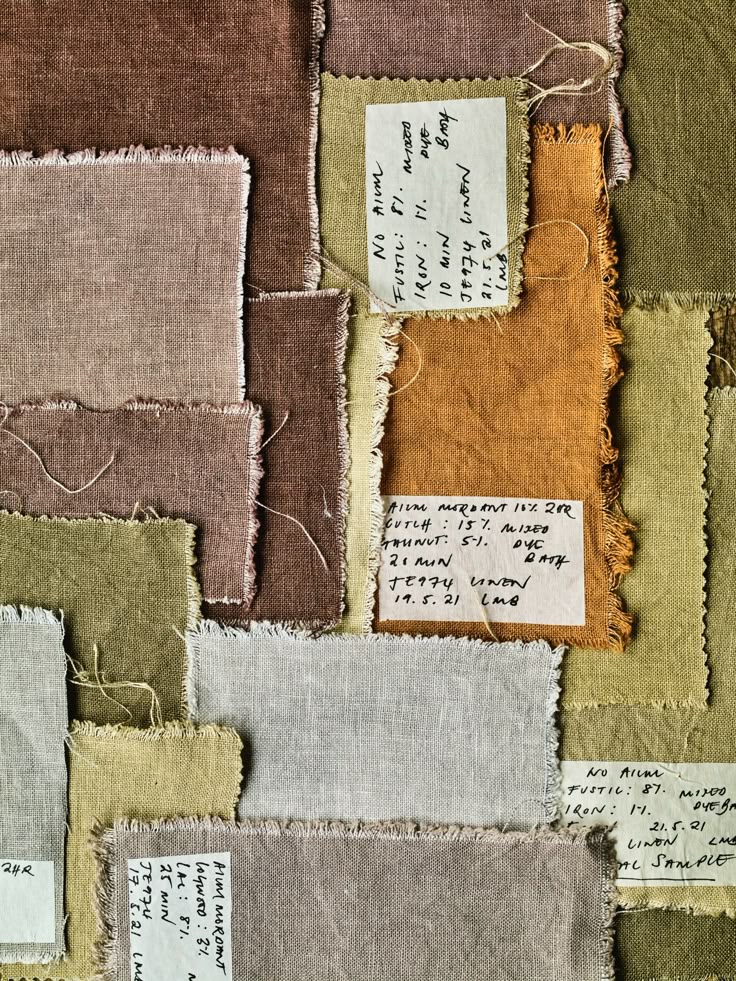
In today’s fashion landscape, eco-conscious style is no longer a niche interest but a prevailing movement. Men are increasingly seeking ways to align their wardrobes with environmental values without compromising on aesthetics.
This shift towards sustainable fashion reflects a broader awareness of the impact our clothing choices have on the planet. Let’s explore the new rules guiding eco-conscious men’s fashion and how you can effortlessly incorporate them into your daily attire.
Understanding Eco-Conscious Style
Eco-conscious style involves making deliberate choices about the clothing we wear, focusing on sustainability, ethical production, and environmental impact. It’s about selecting garments made from sustainable fabrics, supporting brands that prioritize fair labor practices, and considering the lifecycle of each piece.
By embracing eco-conscious style, men can contribute to a more sustainable future while maintaining a sharp and modern appearance.
Want to take your sustainable style to the next level? Check out The Ultimate Guide to Sustainable Men’s Slow Fashion for expert tips on building a timeless, eco-friendly wardrobe!
The Importance of Sustainable Fabrics
One of the foundational elements of eco-conscious style is the use of sustainable fabrics. These materials are produced with minimal environmental impact, often utilizing renewable resources and eco-friendly processes.
Incorporating sustainable fabrics into your wardrobe not only reduces your carbon footprint but also supports ethical industries committed to responsible production.
Key Sustainable Fabrics in Men’s Fashion
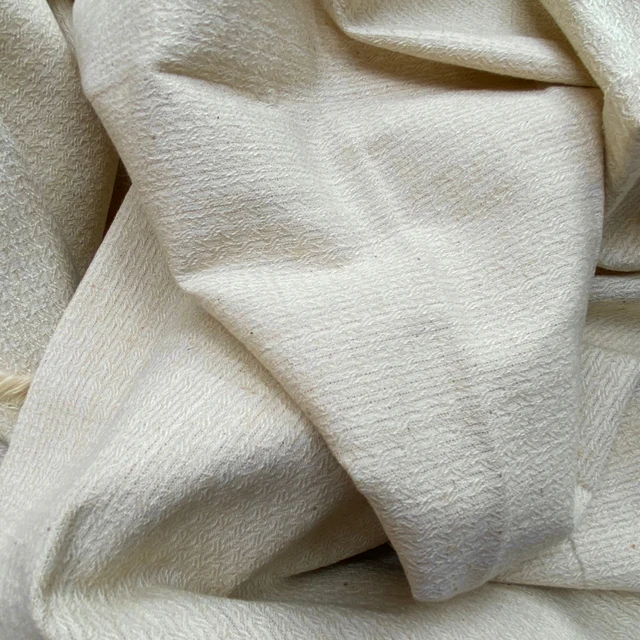
- Organic Cotton: Grown without synthetic pesticides or fertilizers, organic cotton is a staple in sustainable fashion. It’s soft, breathable, and ideal for everyday wear, from t-shirts to casual shirts.
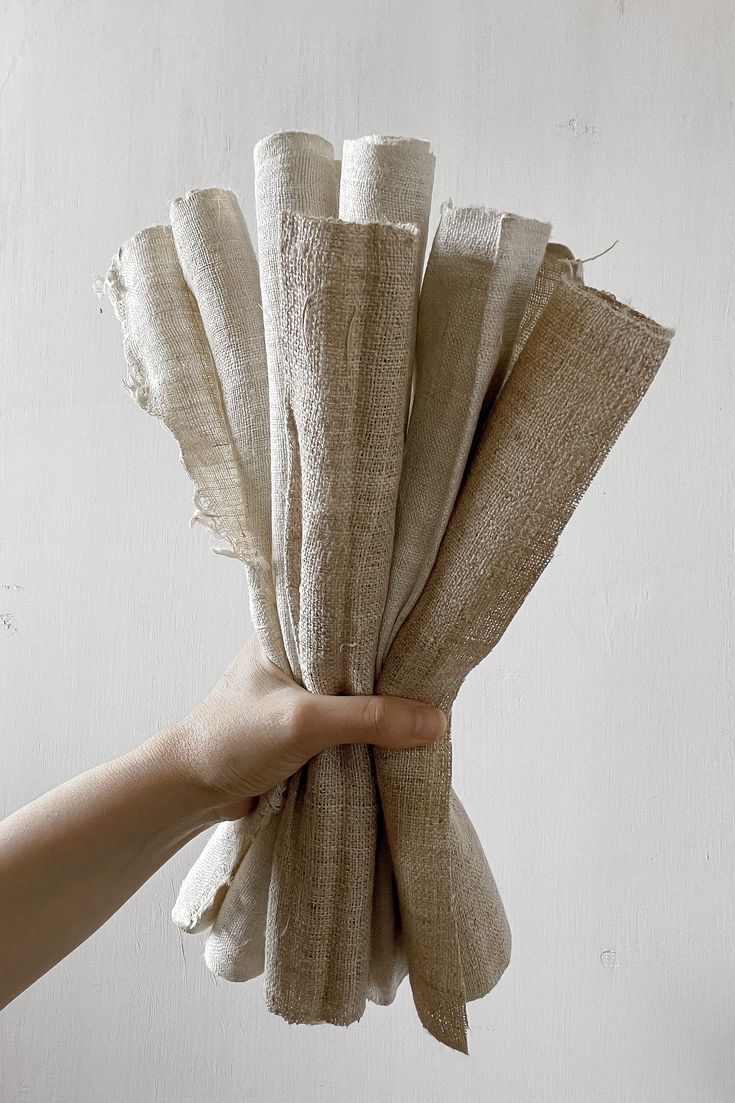
- Hemp: Known for its durability and minimal water requirements, hemp is a versatile fabric suitable for various clothing items, including trousers and jackets. Its natural resistance to pests eliminates the need for pesticides, making it an eco-friendly choice.
- Recycled Polyester: By repurposing plastic waste, recycled polyester offers a sustainable alternative to traditional polyester. It’s commonly used in activewear and outerwear, providing durability while reducing landfill waste.
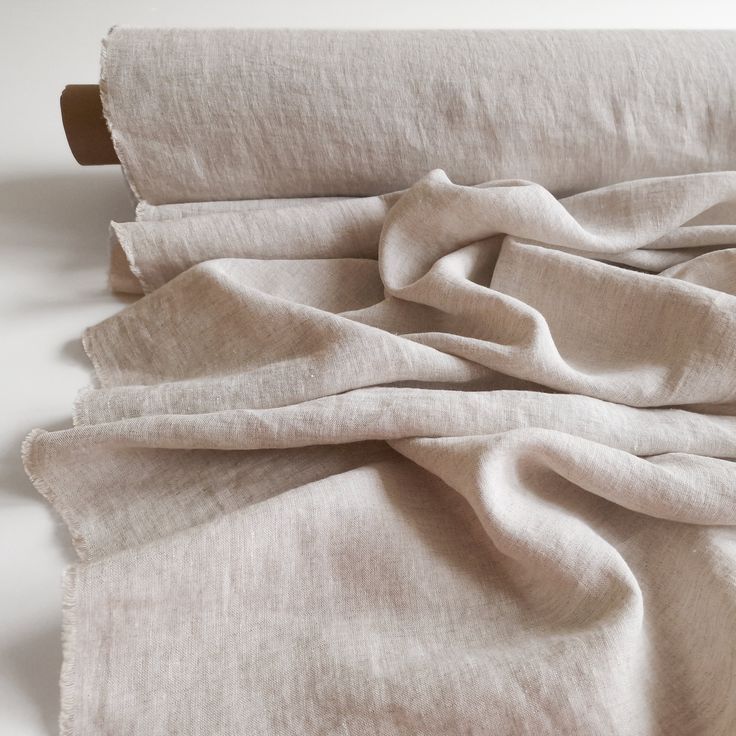
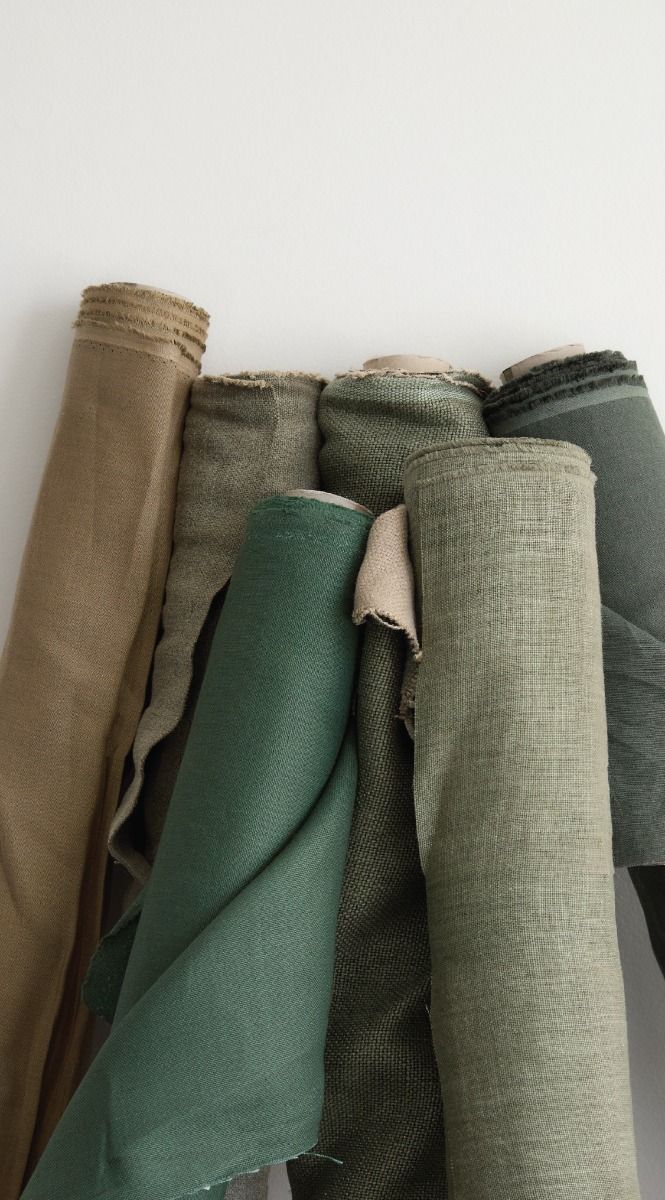
- Linen: Derived from the flax plant, linen is a lightweight and breathable fabric perfect for warm-weather clothing. Its production requires less water and energy compared to conventional cotton, enhancing its sustainability profile.
Building an Eco-Conscious Wardrobe
Transitioning to an eco-conscious wardrobe doesn’t necessitate a complete overhaul. Start by assessing your current clothing and identifying pieces that align with sustainable principles.
Gradually incorporate new items made from sustainable fabrics, focusing on quality over quantity. Opt for timeless designs that transcend seasonal trends, ensuring longevity and reducing the need for frequent replacements.
Supporting Ethical Brands
Choosing to support brands that prioritize sustainability and ethical practices is a crucial aspect of eco-conscious style. Research companies’ sourcing methods, labor conditions, and environmental initiatives. Many brands now offer transparency reports detailing their commitment to sustainability, making it easier for consumers to make informed decisions.
Caring for Your Sustainable Clothing
Proper maintenance of your clothing extends its lifespan, further contributing to sustainability. Follow care instructions diligently, opt for gentle washing methods, and consider air drying to reduce energy consumption. Repair minor damages promptly to avoid the need for premature replacements.
The Role of Second-Hand and Vintage Clothing
Embracing second-hand and vintage clothing is another effective way to practice eco-conscious style. Thrift stores and online platforms offer a plethora of pre-owned garments that add uniqueness to your wardrobe while reducing demand for new production.
This approach not only supports sustainability but also allows for creative expression through distinctive fashion choices.
Challenges and Considerations
While adopting eco-conscious style is beneficial, it’s essential to be aware of potential challenges. Sustainable fabrics may come at a higher price point due to ethical production processes.
Additionally, availability can be limited depending on your location. However, viewing these challenges as opportunities to invest in quality pieces and explore diverse shopping avenues can make the transition smoother.
The Future of Eco-Conscious Men’s Fashion
The trajectory of men’s fashion is undeniably leaning towards greater sustainability. Innovations in fabric technology, increased brand accountability, and growing consumer demand for ethical products are shaping a future where eco-conscious style becomes the norm.
By staying informed and making mindful choices, men can play a pivotal role in this positive transformation.
Final Thoughts
Eco-conscious style represents a harmonious blend of fashion and responsibility. By embracing sustainable fabrics, supporting ethical brands, and making informed choices, men can cultivate a wardrobe that reflects both personal style and a commitment to the planet.
As the fashion industry continues to evolve, adopting these new rules ensures that your style remains not only timeless but also conscientious.