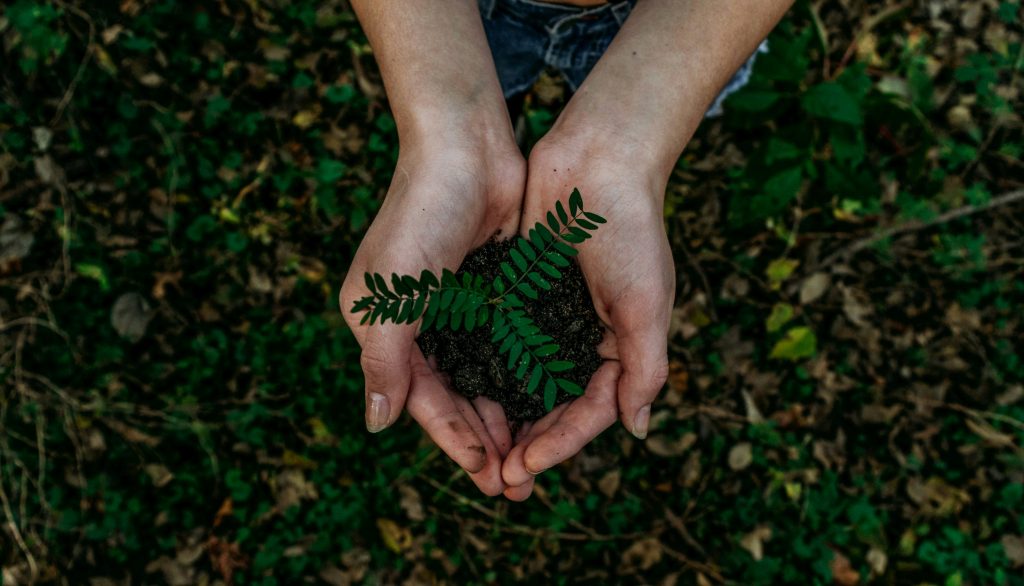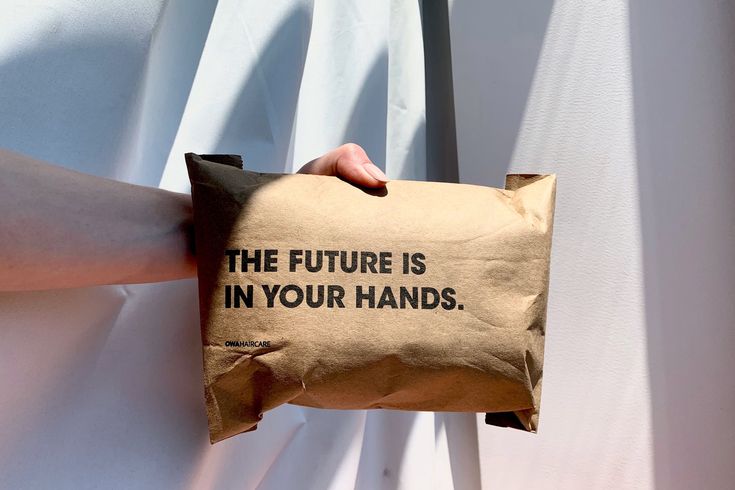
Eco-friendly packaging isn’t just a box or a bag—it’s your brand’s handshake with the planet and your customers. It’s a statement that says you care about more than just selling products; you care about the impact you leave behind.
In a world moving toward conscious choices, this is your opportunity to stand out by making packaging that’s as thoughtful as it is functional.
Gone are the days when sustainability was just a buzzword. Now, it’s a full-fledged movement reshaping how industries operate, especially in fashion. Packaging, once an afterthought, has transformed into a powerful medium to communicate your values and minimize environmental harm.
Choosing the best eco-friendly packaging for clothes doesn’t have to be a daunting task. With the right mindset, materials, and strategies, you can create solutions that are not only stylish but also sustainable.
Let’s dive into how you can turn your packaging into an eco-friendly masterpiece that leaves a lasting impression on both your customers and the planet.
Why Eco-Friendly Packaging Matters
Imagine the impact of every single piece of non-recyclable packaging used in the fashion industry. Over time, it adds up, contributing to pollution and waste. By choosing eco-friendly packaging, your brand takes a stand—not just for style but for sustainability.
This matters more than ever because customers are watching. In fact, today’s consumers care deeply about the values of the brands they support. They notice the details, including how their favorite clothes are packaged.
When you invest in sustainable packaging, it shows that your brand is part of the solution, not the problem.
1. Assess Your Packaging Needs
To choose the right packaging, you first need to understand your specific requirements. What kind of clothing are you packaging? For delicate fabrics like silk, additional protective layers may be necessary. For durable items like jeans, simpler solutions might suffice.
Another factor to consider is shipping. Will your products travel long distances? If so, your packaging must be sturdy enough to withstand transit. By evaluating these needs early on, you’ll make smarter decisions down the line.
2. Opt for Sustainable Materials
The materials you use play a huge role in your packaging’s eco-friendliness. Popular options include:
- Recycled Paper: A classic choice that’s versatile and biodegradable.
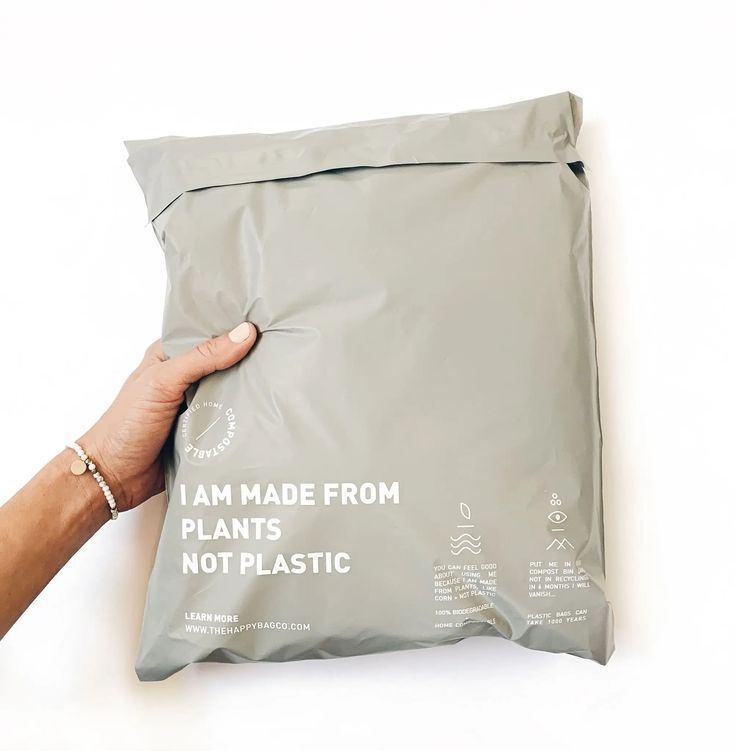
- Compostable Plastics: Perfect for lightweight yet durable packaging.
- Fabric Pouches: Made from hemp, organic cotton, or recycled materials.
These materials aren’t just environmentally friendly; they also resonate with customers who value sustainability. By choosing them, your brand sends a clear message about its commitment to reducing waste.
3. Eco-Friendly Packaging: Simplify with Minimalism
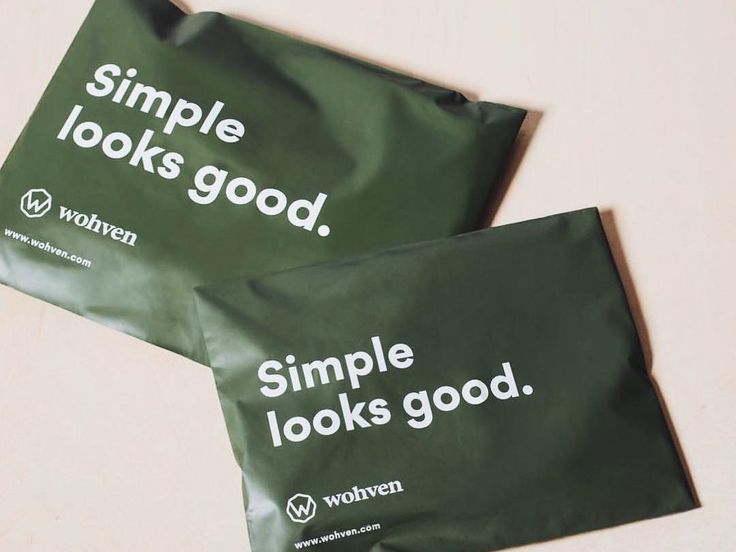
Let’s face it: over-packaging is frustrating for customers and wasteful for the planet. By embracing minimalism, you can reduce materials while creating a clean, elegant look.
For example, kraft paper mailers or simple cardboard boxes work beautifully for most clothing items.
Minimalism also offers a cost-saving advantage. You’re using less material, which means lower production costs. At the same time, your brand appears modern and thoughtful—a win-win situation.
4. Reusable Packaging Makes an Impression
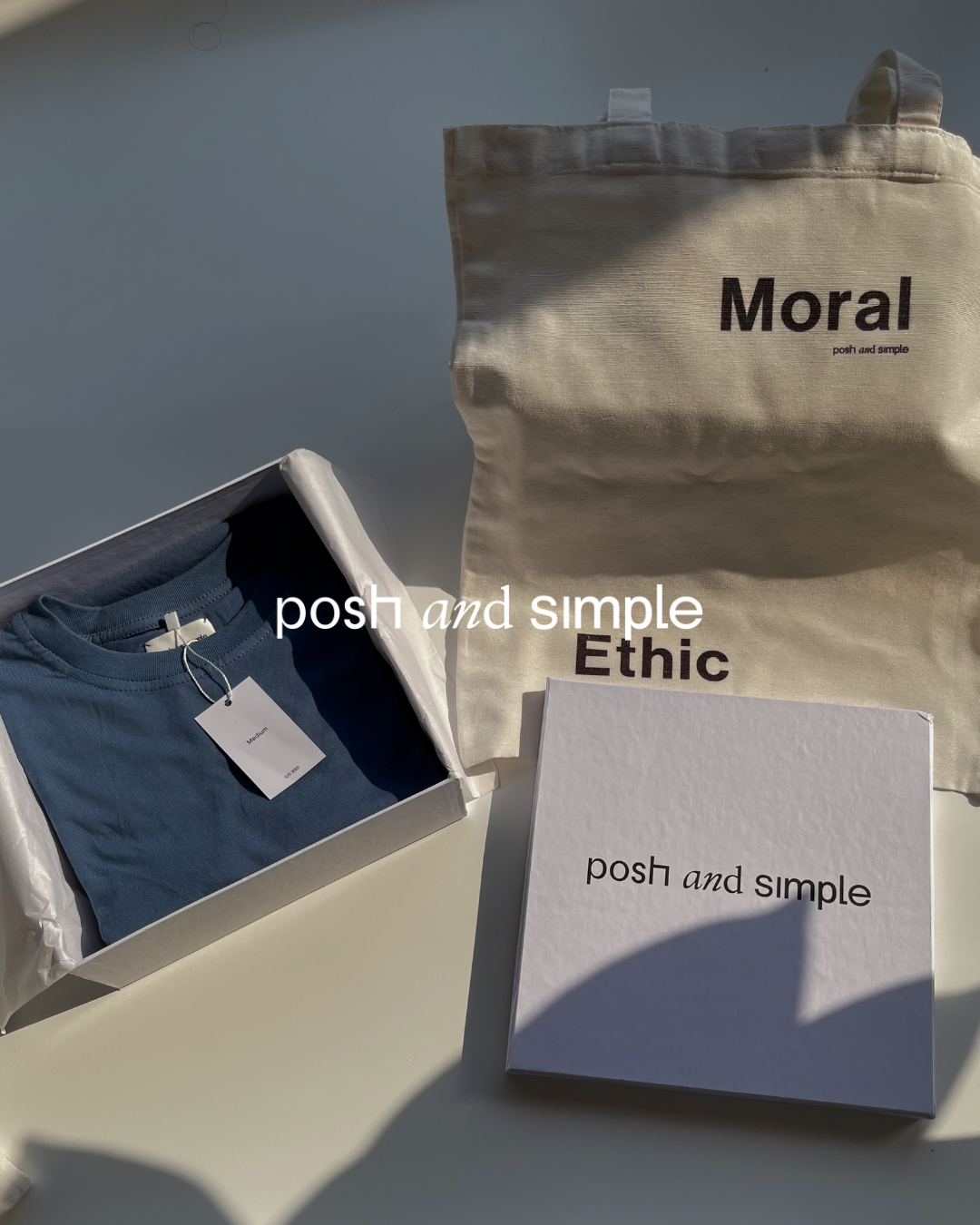
Imagine receiving a package that’s too good to throw away. That’s the magic of reusable packaging. Items like tote bags, drawstring pouches, or durable boxes give your customers something they can use again and again.
Reusable packaging doesn’t just reduce waste—it keeps your brand in front of your customers long after the purchase. Every time they reuse it, they’re reminded of your commitment to quality and sustainability.
5. Consider Biodegradable Options
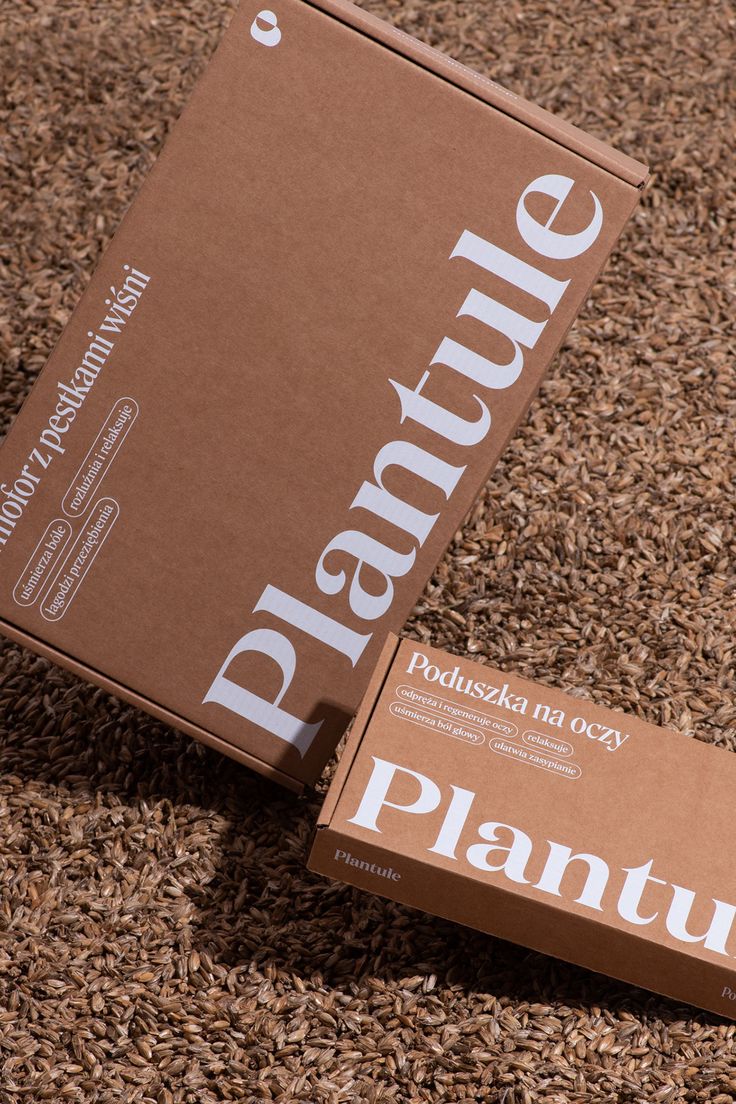
Sometimes, single-use packaging is unavoidable. In these cases, biodegradable materials are a great alternative. They decompose naturally, leaving behind no harmful residue.
For instance, kraft paper and plant-based plastics are excellent choices for biodegradable packaging.
They’re durable enough to protect clothing during shipping and gentle enough on the environment to break down quickly.
6. Eco-Friendly Packaging: Incorporate Your Branding
Eco-friendly doesn’t mean plain or boring. Your packaging is an extension of your brand, so don’t be afraid to get creative. Add your logo using water-based inks or include a small card explaining your sustainability efforts.
Personalized touches show that you’ve put thought into every aspect of the customer experience. These details make a big difference in how your brand is perceived.
7. Educate Your Customers
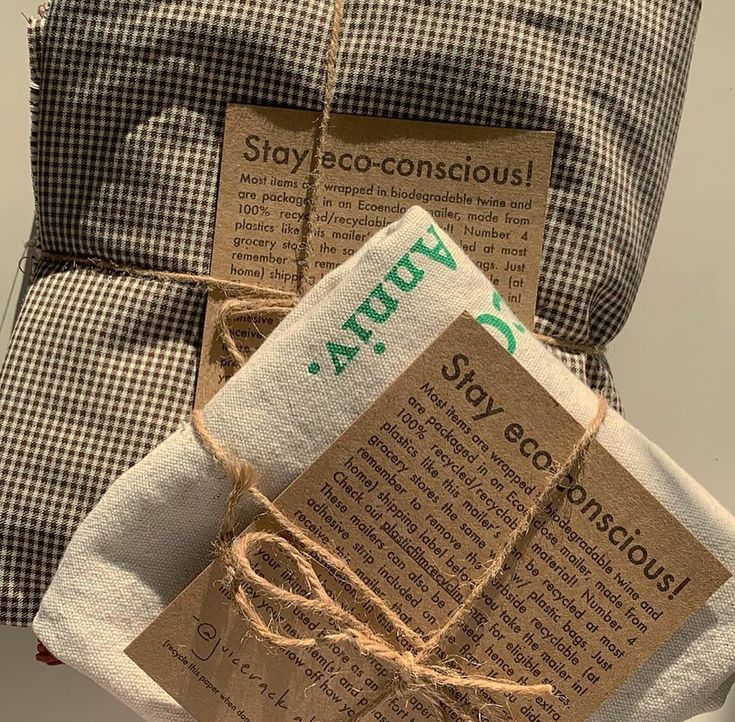
Sustainable packaging is only effective if customers know how to dispose of it properly. Use your packaging as an opportunity to educate them. Add clear instructions such as:
- “Recycle this box with your curbside program.”
- “This bag is compostable. Place it in your home compost bin.”
You could also include QR codes that link to tutorials or pages explaining your eco-friendly practices. This creates a positive interaction that reinforces your brand’s values.
8. Source Locally for Your Packaging Supplies
The journey your packaging takes before reaching your brand also impacts its sustainability. By sourcing materials locally, you reduce the carbon footprint associated with transportation.
Local suppliers often provide quicker turnaround times and allow for better communication. This means you’re not only supporting local businesses but also creating a more sustainable supply chain.
9. Test and Iterate Your Packaging
Packaging isn’t “one size fits all.” What works for one brand might not work for another. Before committing to a specific design or material, test it thoroughly.
Check if the packaging holds up during shipping, appeals to your customers, and aligns with your sustainability goals. This trial-and-error approach ensures you make the best possible decision.
10. Keep Up with Trends in Sustainable Packaging
Sustainability isn’t static—it’s constantly evolving. Stay informed about new materials, innovations, and trends in eco-friendly packaging. Attend industry events, follow sustainability-focused blogs, and connect with other eco-conscious brands.
Being proactive helps your brand stay ahead of the curve. It also signals to your customers that you’re committed to continuous improvement.
Eco-Friendly Packaging: The Big Picture
Choosing eco-friendly packaging for clothes isn’t just a business decision—it’s a responsibility. Every step you take toward sustainability contributes to a healthier planet and a stronger connection with your customers.
By focusing on materials, design, and education, you’re creating more than packaging. You’re creating an experience that aligns with the values of modern consumers.
And that’s something they’ll remember—and support—for years to come.
Upgrade your professional look—explore the ultimate guide to men’s meeting style.
Packaging is more than a container—it’s a statement. When you choose eco-friendly packaging for clothes, you’re telling your customers that you care about more than just selling a product. You care about the planet, their values, and the future.
So, where do you start? With thoughtful decisions, creative designs, and a commitment to sustainability. Together, these choices will set your brand apart while making a positive impact on the world.
Your packaging has the power to inspire change. Use it wisely.