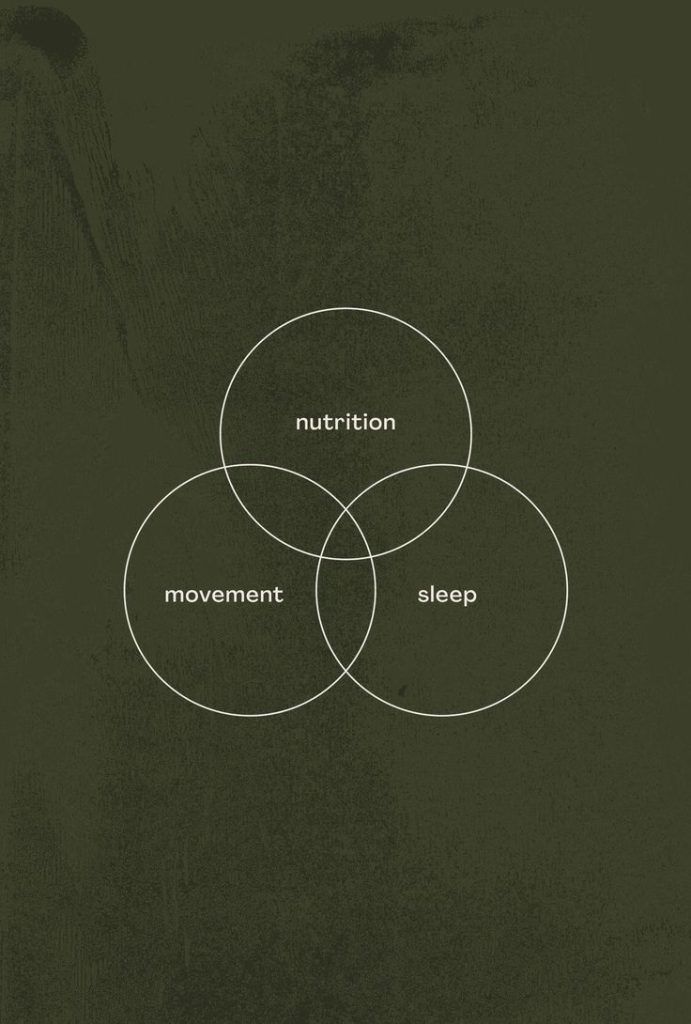
Taking care of your mental health is essential in today’s fast-paced world. Self-care is not about luxury or indulgence; it’s about simple, intentional actions that nurture your mind and body.
By prioritizing these habits, you can reduce stress, build resilience, and maintain balance.
Improving mental health with self-care doesn’t require drastic changes. Instead, small, consistent efforts lead to lasting results. Whether it’s spending time in nature, journaling, or practicing gratitude, every step counts.
Let’s explore ten practical self-care activities that can make a real difference.
1. Practice Mindfulness and Meditation
Mindfulness and meditation help you stay present and grounded. They reduce stress, enhance focus, and improve your emotional well-being.
To get started, find a quiet space and sit comfortably. Close your eyes and take slow, deep breaths. Focus on your breathing, letting go of any wandering thoughts.
If you’re new to meditation, guided apps like Headspace or Calm can make it easier. Regular practice—even for five minutes a day—can have a big impact.
2. Start Journaling for Emotional Clarity
Journaling is a simple yet effective way to organize your thoughts and process emotions. Writing can help you reflect, set goals, and release pent-up stress.
You don’t need fancy tools—just a notebook and pen will do. Spend a few minutes daily writing about what’s on your mind.
You can also use prompts like “What made me happy today?” or “What’s one thing I’d like to change?” Over time, journaling fosters self-awareness and emotional growth.
3. Prioritize Physical Activity

Exercise is more than just a physical boost—it’s a proven mood enhancer. Moving your body releases endorphins, which naturally improve your outlook and energy levels.
Find an activity you enjoy. This could be a morning walk, yoga, or dancing to your favorite playlist.
Aim for at least 30 minutes of movement a few days a week. Consistent exercise strengthens your body and reduces stress, making it a vital self-care habit.
Find out how saying no can improve your mental well-being.
4. Maintain a Healthy Sleep Routine
Quality sleep is essential for mental clarity and emotional balance. Without enough rest, stress and irritability can build up, making daily life more challenging.
To sleep better, create a calming bedtime routine. Avoid screens an hour before bed, dim the lights, and unwind with a book or meditation.
Try to go to bed and wake up at the same time every day. Consistency helps your body adjust, improving your overall sleep quality.
5. Explore Creative Outlets
Creativity offers a unique way to express emotions and relieve stress. It’s not about creating a masterpiece—it’s about enjoying the process.
You might try painting, doodling, writing poetry, or even experimenting in the kitchen.
Choose activities that bring you joy and let you focus on the moment. Creative outlets help clear your mind, leaving you refreshed and energized.
6. Spend Time in Nature

Nature has a calming effect that can help you reset and recharge. Time outdoors lowers stress, boosts your mood, and promotes mental clarity.
A short walk in the park or sitting outside with a cup of tea can make a difference. If you’re pressed for time, even adding plants to your home or workspace can bring a sense of peace.
Nature connects you to something bigger and reminds you to slow down.
7. Build Strong Relationships
Supportive relationships are essential for mental well-being. Connecting with others reduces loneliness and provides emotional support.
Reach out to friends or family regularly. This could be a quick phone call, a heartfelt text, or meeting for coffee.
Be present and listen when you’re with loved ones. Building meaningful connections improves your mood and creates a sense of belonging.
8. Set Boundaries and Protect Your Energy
Learning to say no is a powerful act of self-care. Protecting your time and energy allows you to focus on what truly matters.
Identify your limits and communicate them clearly. For example, decline commitments that overwhelm you by saying, “I can’t take that on right now, but thank you for asking.”
Boundaries aren’t selfish—they’re necessary for maintaining balance and mental health.
9. Eat to Nourish Your Mind and Body

What you eat affects your mood and energy. A balanced diet fuels your brain and supports your emotional well-being.
Focus on whole foods like fruits, vegetables, lean proteins, and healthy fats. Reduce processed snacks and sugary drinks, which can cause energy crashes.
Drinking plenty of water also helps keep you focused and alert. Eating well is a simple yet powerful way to care for yourself.
10. Practice Gratitude Daily
Gratitude shifts your focus from what’s lacking to what’s abundant. This mindset can improve your mood, enhance relationships, and bring more joy to your life.
Take a few moments each day to reflect on what you’re grateful for. Write down three things in a journal or simply think about them before bed.
Gratitude helps you appreciate the small wins and fosters a positive outlook, even during tough times.
Mental Health: Self-Care Is a Lifelong Practice
Improving mental health with self-care requires consistency and intention. By incorporating these ten activities into your daily routine, you can create a healthier, more balanced life.
From mindfulness to gratitude, every small action adds up.
Start with one or two practices that resonate with you. As you build momentum, self-care will become second nature.
Remember, caring for yourself is not a luxury—it’s a necessity. When you prioritize your mental health, you’re better equipped to handle life’s challenges and embrace its joys.