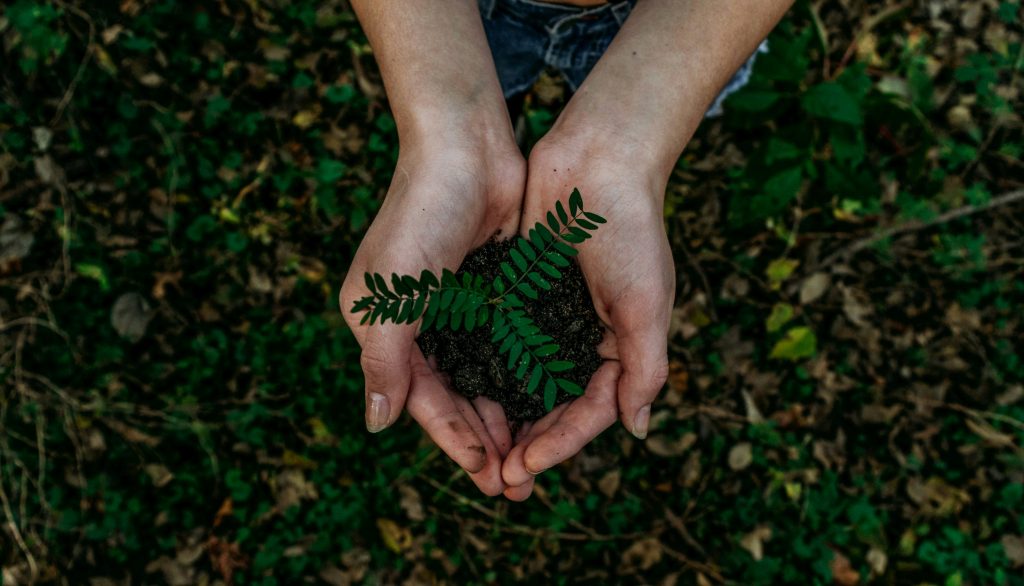
Sustainable clothes are more than a fashion choice; they represent a commitment to a better planet. But how do you ensure these clothes stand the test of time? The way you care for your sustainable garments plays a crucial role in their longevity.
By embracing mindful practices, you can keep them looking fresh and wearable for years. Let’s explore ten practical and effective techniques to make your sustainable clothes last longer, reduce waste, and save money.
1. Sustainable Clothes: Wash Less Frequently
Have you ever thought about how often you wash your clothes? Believe it or not, washing your clothes too often can wear them out faster. Sustainable clothing, made with natural or delicate materials, benefits from reduced washing.
Spot Clean When Necessary
Instead of tossing an entire garment into the wash, tackle stains as they happen. Use gentle, biodegradable detergents to protect your fabrics.
Air Out Clothing
After wearing, let your garments breathe. Hang them in a well-ventilated space to naturally dissipate odors and freshen them up.
By washing less frequently, you not only protect your clothes but also conserve water and energy—a win for both you and the planet.
2. Use Cold Water for Washing
Switching to cold water might seem like a small change, but it’s a game-changer. Washing with cold water is not only eco-friendly but also gentler on your garments.
Lower Energy Use
Cold water cycles use less electricity, making it a more sustainable choice.
Preserve Colors and Fabrics
Natural dyes and organic fabrics are prone to fading or shrinking in hot water. Cold water helps retain their original look and feel.
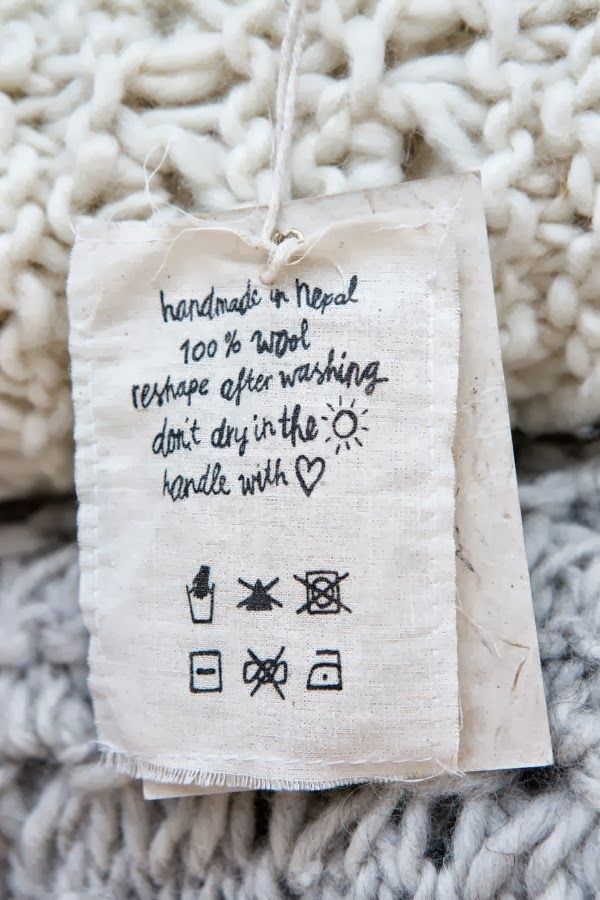
Don’t forget to check your garment’s care labels for specific washing instructions to avoid surprises.
3. Sustainable Clothes: Choose Gentle Detergents
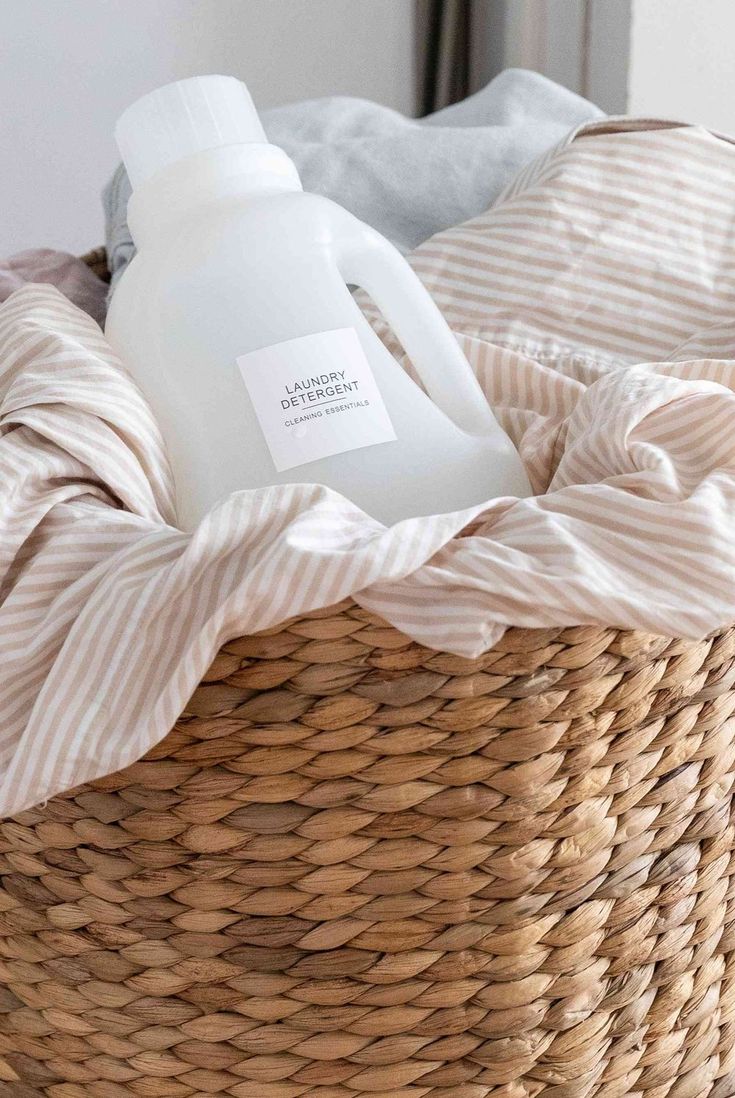
Do you know what’s in your detergent? Harsh chemicals can damage your clothes and harm the environment. Instead, opt for eco-friendly and biodegradable options.
Avoid Phosphates and Bleach
These ingredients may be effective but can weaken fabric fibers and are harmful to aquatic ecosystems.
Look for Certified Products
Labels like “eco-certified” or “biodegradable” indicate that the detergent is safe for both your clothing and the environment.
By choosing the right detergent, you’re taking a simple yet impactful step towards sustainable living.
4. Avoid Overloading the Washing Machine
It’s tempting to cram everything into one load, isn’t it? But overloading your washing machine does more harm than good.
Allow Room for Movement
Clothes need space to move freely during a wash cycle to reduce friction and wear.
Ensure Proper Cleaning
An overloaded machine might not clean garments thoroughly, leaving detergent residue behind.
By giving your clothes the care they deserve, you’ll notice they last longer and look better.
5. Sustainable Clothes: Line Dry Whenever Possible

Tumble drying may be quick, but it’s not always the best option. Air drying is a gentler, more sustainable way to dry your clothes.
Use a Drying Rack
This method is perfect for delicate items like knitwear that might stretch out of shape in a dryer.
Protect from Sun Damage
While air drying is excellent, avoid prolonged exposure to direct sunlight as it can fade colors and weaken fabrics.
Line drying not only saves energy but also keeps your garments in top-notch condition.
6. Store Clothes Properly
How you store your clothes matters more than you think. Proper storage prevents unnecessary wear and keeps your wardrobe organized.
- Use Wooden or Padded Hangers: These are ideal for maintaining the shape of jackets, blouses, and dresses.
- Fold Heavy Items: Knitwear and heavier garments should be folded to prevent sagging over time.
- Keep Away from Moisture: Store clothing in a cool, dry place to avoid mold or mildew.
Good storage habits are a small effort that goes a long way in preserving your clothes.
7. Mend and Repair
When was the last time you mended a garment? Repairing small damages instead of discarding clothes is both sustainable and cost-effective.
- Learn Basic Sewing Skills: Simple fixes like reattaching buttons or stitching a small tear can breathe new life into your clothes.
- Visit a Tailor: For more complex repairs, professional help ensures that your clothing remains wearable for years.
Mending is a powerful way to reduce waste and maintain your favorite pieces.
8. Sustainable Clothes: Rotate Your Wardrobe
Do you tend to wear the same clothes over and over? While it’s great to have favorites, rotating your wardrobe can prevent premature wear and tear.
- Organize Seasonally: Rotate your wardrobe based on seasons. This not only reduces the wear on items but also helps you rediscover forgotten pieces.
- Experiment with Styling: Mixing and matching different items keeps your outfits fresh and reduces reliance on a few staples.
Rotation keeps your wardrobe dynamic and ensures that every piece gets its fair share of wear.
9. Avoid Harsh Stain Removal Techniques
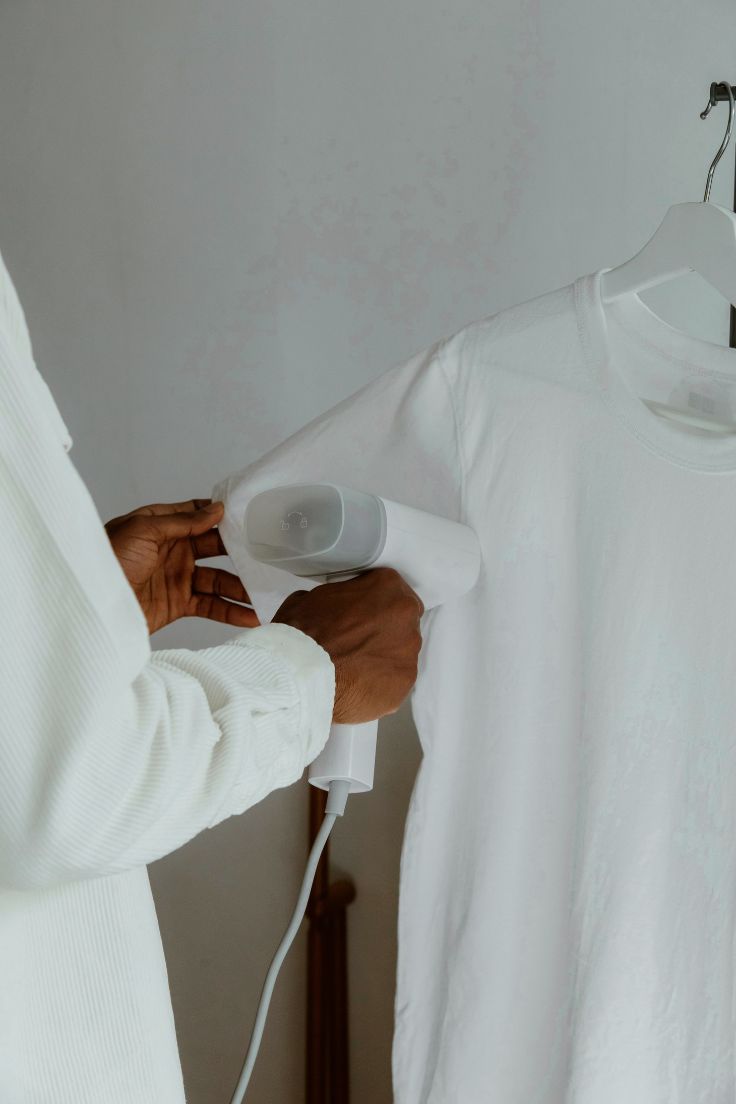
Stains are inevitable, but how you deal with them matters. Aggressive stain removal can damage sustainable fabrics.
- Use Gentle Methods: Dab, don’t scrub. Harsh scrubbing can fray fibers and ruin delicate materials.
- Opt for Natural Solutions: Ingredients like baking soda, lemon juice, or white vinegar can be effective and eco-friendly stain removers.
Treating stains carefully keeps your clothes intact and looking great.
10. Embrace Fabric-Specific Care
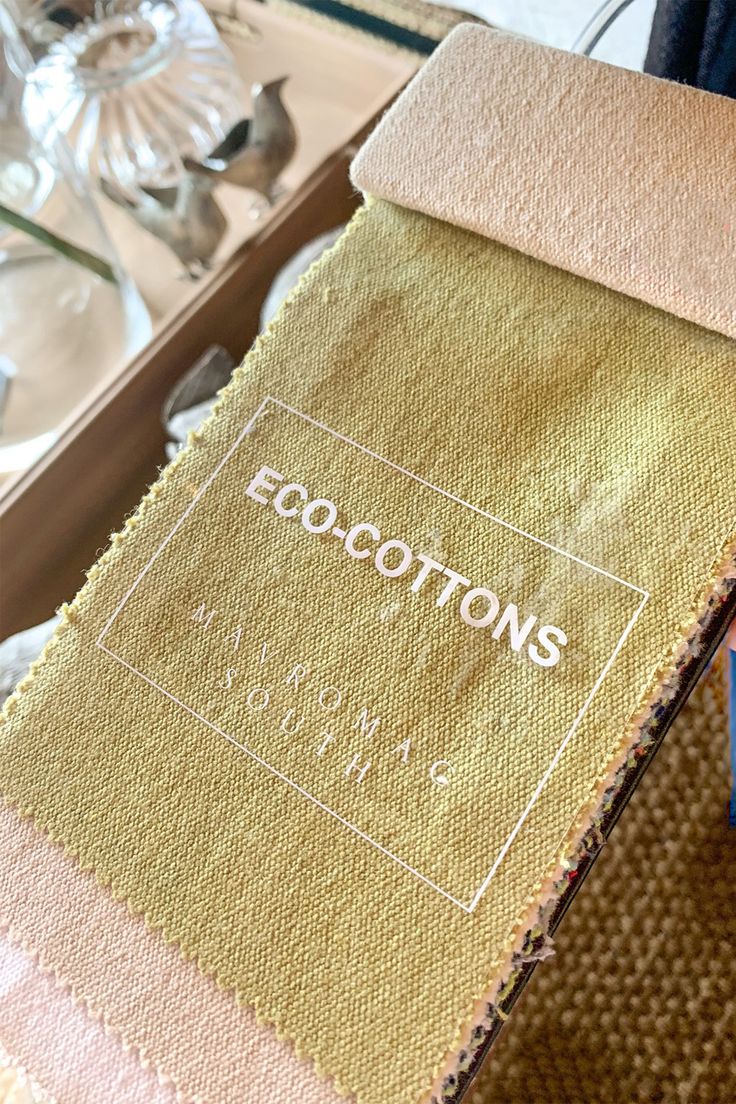
Different fabrics have unique needs, and sustainable clothing often includes materials like organic cotton, hemp, or Tencel. Knowing how to care for these fabrics ensures their longevity.
- Organic Cotton: Wash in cold water and line dry to prevent shrinking.
- Hemp and Linen: These fabrics benefit from gentle machine cycles or hand washing. Avoid wringing to maintain their structure.
- Tencel: Use delicate cycles and skip the fabric softeners for best results.
By tailoring your care routine to the specific fabric, you’ll keep every item in pristine condition.
Sustainable Clothes: Key Takeaway
Caring for your sustainable clothes doesn’t have to be complicated. By adopting these thoughtful practices—washing less, using cold water, choosing gentle detergents, and more—you can make your sustainable clothes last longer while also protecting the environment.
Remember, every small step counts. Not only will your clothes thank you, but so will the planet. So why wait? Start giving your wardrobe the love and care it deserves today.