
Organic cotton has become a cornerstone of sustainable fashion, bridging the gap between eco-consciousness and high-quality textiles. As we enter 2025, the importance of organic cotton continues to grow, driven by increasing consumer demand for sustainable and ethical products.
From its cultivation methods to its environmental impact, this article covers the basic informations you need to know about organic cotton and why it’s more relevant than ever.
What is Organic Cotton?
Organic cotton is grown without synthetic pesticides, chemical fertilizers, or genetically modified organisms (GMOs). This environmentally friendly approach prioritizes natural processes, resulting in a fabric that is both sustainable and safe for human use.
In contrast to conventional cotton, this fabric offers a cleaner, softer, and more ethical alternative for consumers and producers alike.
By 2025, organic cotton has evolved into a staple of sustainable living, embraced by industries ranging from fashion to home textiles. Its growing popularity reflects a collective shift toward conscious consumption.
Upgrade your wardrobe with sustainable garments that make a difference.
How Organic Cotton is Grown
The cultivation of organic cotton is based on practices that promote biodiversity and soil health while minimizing environmental harm. Here’s how it works:
1. Chemical-Free Cultivation
Organic cotton farming avoids synthetic pesticides and fertilizers, relying instead on natural alternatives like compost, crop rotation, and biological pest control. This reduces pollution and safeguards ecosystems.
2. Handpicked Harvests
Unlike conventional cotton, organic cotton is often handpicked to preserve the fibers’ quality. This labor-intensive method ensures minimal damage to the environment.
3. Water-Saving Techniques
Many organic cotton farms utilize rain-fed irrigation systems, drastically reducing water consumption compared to conventional methods.
These practices reflect a commitment to sustainability, making organic cotton a vital part of the global effort to combat climate change and reduce environmental degradation.
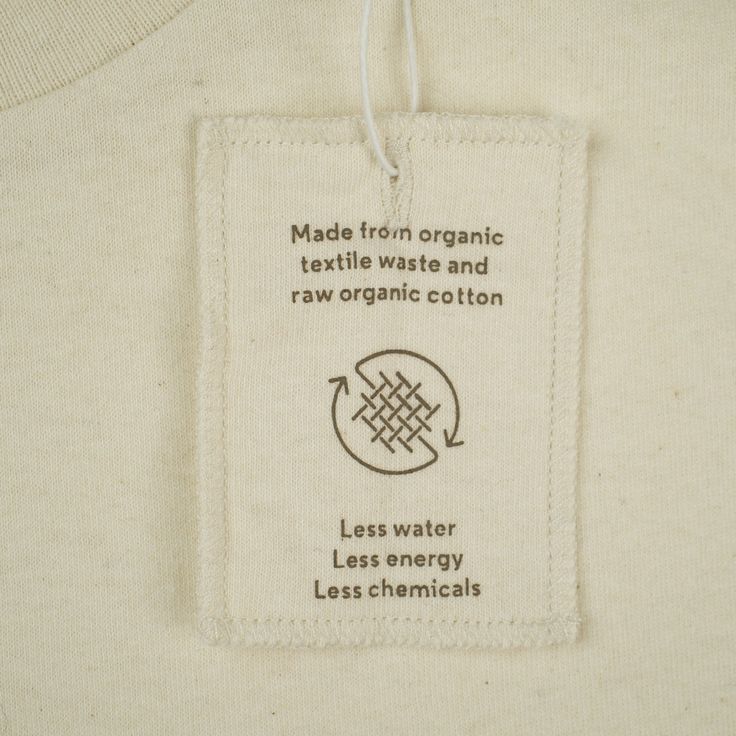
The Environmental Benefits of Organic Cotton
Organic cotton’s positive impact extends far beyond the fields where it is grown. Its cultivation supports ecosystems, reduces resource consumption, and minimizes pollution.
Reduced Carbon Footprint
Organic cotton farming produces significantly fewer greenhouse gas emissions by avoiding energy-intensive synthetic inputs.
Water Conservation
By utilizing natural rainwater and avoiding chemicals, organic cotton reduces water waste and protects water sources from contamination.
Biodiversity Protection
The absence of pesticides and monoculture farming supports diverse flora and fauna, promoting healthier ecosystems.
In 2025, these environmental benefits are more crucial than ever as industries and consumers alike seek sustainable solutions.
Why Consumers Prefer Organic Cotton
Organic cotton products stand out for their quality, comfort, and safety. Consumers in 2025 are increasingly drawn to organic cotton for several reasons:
1. Skin-Friendly Properties
Free from harsh chemicals, this fabric is hypoallergenic and safe for sensitive skin.
2. Softness and Durability
Handpicked and untreated, organic cotton fibers are naturally softer and more robust, ensuring longer-lasting products.
3. Eco-Conscious Appeal
Choosing organic cotton aligns with the values of sustainability and ethical consumption, empowering consumers to make a positive impact.
Challenges Facing Organic Cotton in 2025
While the benefits of organic cotton are undeniable, its production faces challenges:
1. Higher Costs
Organic cotton’s labor-intensive processes and lower yields contribute to higher production costs, which are passed on to consumers.
2. Climate Dependency
Relying on natural weather patterns makes organic cotton farming vulnerable to climate change.
3. Certification Complexity
Ensuring compliance with organic standards can be costly and time-consuming for farmers.
Despite these hurdles, organic cotton’s demand continues to rise, driven by growing awareness and innovation.
How to Identify Genuine Organic Cotton
As demand for organic cotton grows, so does the risk of mislabeling. To ensure you’re purchasing authentic organic cotton in 2025, look for these certifications:
- GOTS (Global Organic Textile Standard): Ensures organic farming practices and ethical labor conditions.
- OEKO-TEX Standard 100: Certifies that textiles are free from harmful substances.
- USDA Organic: A trusted standard for organic agricultural products.
These certifications help maintain trust and transparency in the organic cotton industry.

The Future of Organic Cotton
The organic cotton industry is poised for growth as technological advancements and increasing consumer demand drive innovation. In 2025, here’s what the future looks like:
1. Enhanced Farming Techniques
Improved practices like precision agriculture and water-efficient irrigation are making organic cotton farming more viable.
2. Scaling Production
Collaborative efforts between governments, brands, and farmers are helping scale organic cotton production to meet global demand.
3. Circular Fashion Initiatives
Organic cotton is playing a key role in circular fashion, where products are designed to be reused, recycled, or composted.
The continued adoption of organic cotton reflects a global commitment to sustainability, making it a cornerstone of a greener future.
Why Organic Cotton Matters in 2025
Organic cotton has transcended its status as a niche product to become a symbol of sustainability, quality, and ethical responsibility. In 2025, it is more than just a fabric; it’s a statement about the kind of world we want to live in.
By choosing organic cotton, you’re investing in a healthier planet, better lives for farmers, and high-quality products that stand the test of time.