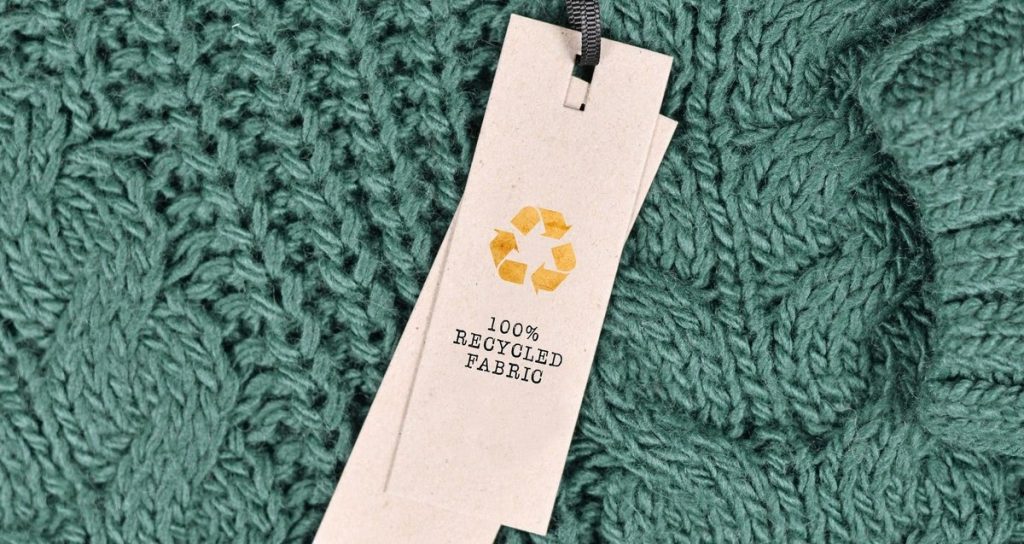
Sustainability in the fashion industry isn’t just a passing trend; it’s a transformative shift in how brands design, produce, and operate.
Building a sustainable business might feel overwhelming at first, but it’s an incredible opportunity to innovate, connect with conscious consumers, and lead the way toward a greener future.
To start, here are ten impactful strategies to establish a more sustainable fashion brand.
1. Adopt Circular Fashion Practices
Circular fashion focuses on creating products designed for longevity, reuse, and recyclability. This approach replaces the traditional “take, make, waste” system with a closed-loop process.
Why It Matters
A linear production model has led to massive waste and resource depletion. Circular fashion reduces waste and ensures garments have a longer lifespan.
How to Start
Use recyclable materials, partner with textile recycling facilities, and teach your customers how to care for their garments. Additionally, offering repair options or incentives for returning used items can help create a sustainable cycle.
2. Choose Eco-Friendly Materials
The choice of materials is critical to sustainability. Fabrics such as organic cotton, hemp, and recycled polyester offer eco-friendly alternatives that require fewer resources and less water.
Benefits
These materials are less harmful to the environment and often align with customer expectations for sustainability.
Challenges and Solutions
While sustainable fabrics may initially cost more, you can offset this through partnerships with suppliers and by promoting the superior quality and durability of these materials to your audience.
3. Reduce Carbon Footprint Through Local Sourcing
Long-distance transportation contributes heavily to carbon emissions. By sourcing materials and producing garments locally, you can significantly reduce your brand’s environmental impact.
Why It Works
Local sourcing supports nearby communities and minimizes shipping needs.
How to Implement
Partner with regional manufacturers or artisans and showcase your commitment to local production in your branding. This approach also fosters transparency and builds a connection with your audience.
4. Incorporate Renewable Energy in Production
Transitioning to renewable energy is an effective way to reduce environmental impact. From solar power to wind energy, there are numerous ways to make production greener.
How It Works
Install solar panels, switch to green energy providers, or explore renewable options for your production facilities.
Key Takeaway
Incorporating renewable energy not only reduces emissions but also demonstrates your commitment to sustainable practices.
Learn why sustainability is essential in the fashion world here.
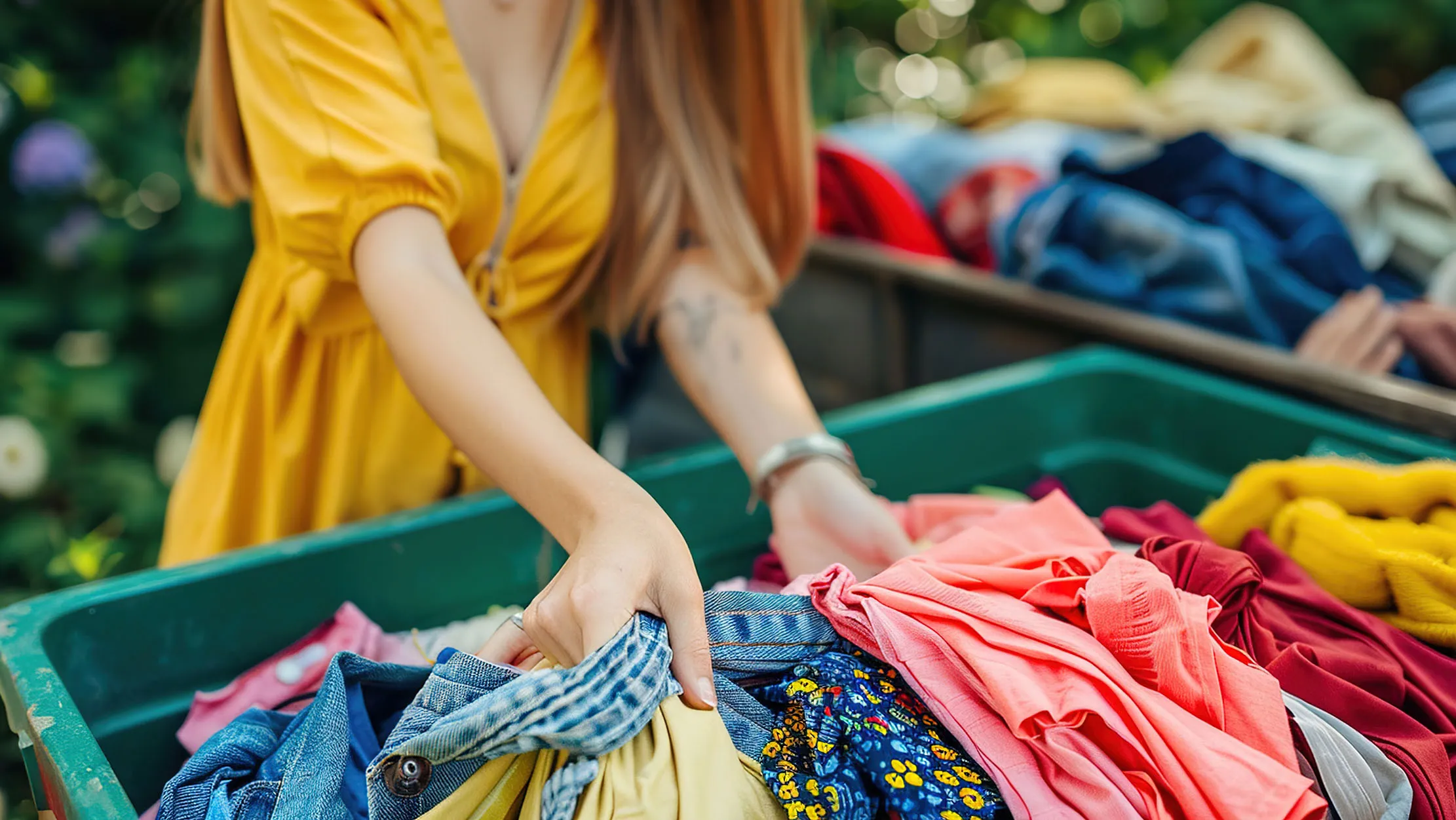
5. Embrace Transparency and Ethical Labor Practices
Consumers are increasingly focused on ethical practices. They want to know where their clothes come from and under what conditions they’re made.
Ensuring fair wages, safe working environments, and respect for workers’ rights is essential.
How to Start
Conduct regular audits, work with certified suppliers, and publicly share information about your supply chain.
Why It Matters
Transparency builds trust and loyalty among your customers, showing them your commitment to ethical and sustainable business practices.
6. Develop Sustainable Packaging Solutions
Packaging often contributes significantly to waste. Switching to sustainable packaging options, such as biodegradable materials or reusable designs, is a simple yet effective solution.
Options to Explore
Recycled paper, plant-based materials, or minimal packaging that eliminates unnecessary waste.
Why It’s Effective
Eco-friendly packaging aligns with your overall sustainability goals and enhances your brand’s image.
7. Educate and Empower Consumers
Your customers play a crucial role in sustainability. Educating them about the environmental impact of their choices encourages responsible behavior and strengthens their connection to your brand.
How to Engage
Share educational content on your website or social media, offer recycling programs, or provide tips on how to care for and extend the life of their garments.
Why It Matters
An informed customer base is more likely to support your brand’s sustainable initiatives and become loyal advocates.
8. Utilize Technology for Sustainable Innovations
Technology can revolutionize how fashion brands approach sustainability. Tools like virtual sampling and AI-driven supply chain management can significantly reduce waste.
For instance, virtual sampling eliminates the need for physical prototypes, saving resources. Additionally, integrating blockchain technology can enhance transparency, allowing customers to trace the origin of their garments.
What we can learn is that embracing technology not only streamlines processes but also strengthens your brand’s image as a forward-thinking, sustainable business.

9. Collaborate with Industry Stakeholders
Sustainability isn’t something you achieve alone. Collaborating with industry organizations, sustainability initiatives, and like-minded partners can amplify your efforts.
How to Collaborate
Partner with environmental organizations, fair-trade groups, or sustainability initiatives to strengthen your impact.
Why It Matters
Collaboration pools resources and knowledge, allowing you to address larger challenges and create meaningful change.
10. Measure and Report Sustainability Impact
Accountability is key to maintaining a sustainable business. Regularly measuring and reporting your efforts ensures transparency and helps identify areas for improvement.
How to Start
Use tools and platforms to assess your environmental and social impact. Certifications or self-assessment tools can be valuable in tracking your progress.
Why It’s Important
Sharing your milestones and future goals with your audience builds trust and shows your ongoing commitment to sustainability.
By adopting these strategies, you can create a fashion brand that aligns with modern values, reduces environmental impact, and connects deeply with your audience. Sustainability isn’t just a choice; it’s the future of the fashion industry and an opportunity to leave a lasting, positive legacy.