Changing How We Think About Fashion
Slow fashion, we’ve heard this word quite a lot. However, most people don’t spend much time thinking about their clothes beyond whether they fit well or look good. But the truth is, every piece of clothing you own has a story—how it was made, who made it, and the impact it left behind.
For decades, the fashion industry has prioritized speed and profit over quality, sustainability, and fairness. This “fast fashion” culture has led to overflowing closets, unethical labor practices, and massive environmental damage.
Slow fashion, on the other hand, invites us to slow down and rethink how we approach our wardrobe. It’s not about chasing trends or buying the cheapest options available.
Instead, it’s about investing in high-quality, timeless pieces that last for years, not just a few months. For men especially, this shift offers the opportunity to build a wardrobe that is stylish, sustainable, and meaningful.
If you’re tired of cheaply made clothes falling apart, feeling disconnected from what you wear, or contributing to waste, slow fashion offers a better way forward. Let’s explore how you can embrace this movement and transform not just your wardrobe, but your entire mindset.
What Is Slow Fashion?
At its heart, slow fashion is about intention. It challenges the rapid, disposable nature of modern clothing production by focusing on quality, longevity, and sustainability.
Rather than producing mass amounts of low-cost items, slow fashion prioritizes thoughtful design, ethical manufacturing, and eco-friendly materials.
Unlike fast fashion, which often churns out hundreds of new styles every week, slow fashion values craftsmanship over quantity. It’s a return to the idea that clothing should be well-made, fit perfectly, and endure daily wear.
It’s also a recognition that what we wear can have a significant impact on the planet, as well as the people involved in its creation.
Slow fashion isn’t just about owning less, though that’s part of it. It’s about finding joy in carefully chosen pieces and feeling a connection to what you wear. It’s about shifting your mindset from “I need this now” to “Will I love this for years to come?”
Why Slow Fashion Matters for Men
For too long, men’s fashion has been stuck in a cycle of convenience over quality. Fast fashion chains lure us in with cheap, trendy options, but the result is a wardrobe full of ill-fitting pieces that fade, stretch, or fall apart within months. Slow fashion breaks this cycle.
One of the biggest benefits is durability. Slow fashion focuses on creating clothing that works as hard as you do. A well-made jacket, a pair of perfectly tailored pants, or a quality sweater will hold up for years with proper care.
Over time, these pieces become staples, saving you money and time.
Slow Fashion: Beyond and Above
Beyond practicality, there’s something deeply satisfying about owning clothing you truly love—pieces that reflect your personality and values. Slow fashion encourages individuality.
While fast fashion often churns out generic, cookie-cutter designs, slow fashion brands focus on timeless styles that can adapt to any occasion. This isn’t just good for your wallet; it’s good for your confidence.
The environmental impact of slow fashion is another compelling reason to make the switch. The fashion industry is one of the largest polluters in the world, producing 10% of global carbon emissions and using enormous amounts of water.
Slow fashion’s emphasis on quality and sustainability significantly reduces waste, pollution, and resource consumption. By choosing better, fewer pieces, you’re actively contributing to a healthier planet.
How to Build a Slow Fashion Wardrobe
Making the switch to slow fashion doesn’t require a complete overhaul of your closet overnight. It’s a gradual process that begins with a shift in mindset. The goal isn’t perfection—it’s progress.
Start by taking a good, honest look at what you already own. Many of us have closets bursting with clothes we never wear, and the first step toward slow fashion is learning to appreciate what’s already there.
Identify the pieces you truly love—those that fit well, feel good, and match your style. Then, ask yourself why you wear them so often. Chances are, it’s because they’re versatile, well-made, or emotionally significant.
Use these pieces as a foundation for your slow fashion wardrobe.
Slow Fashion: Starts From Here
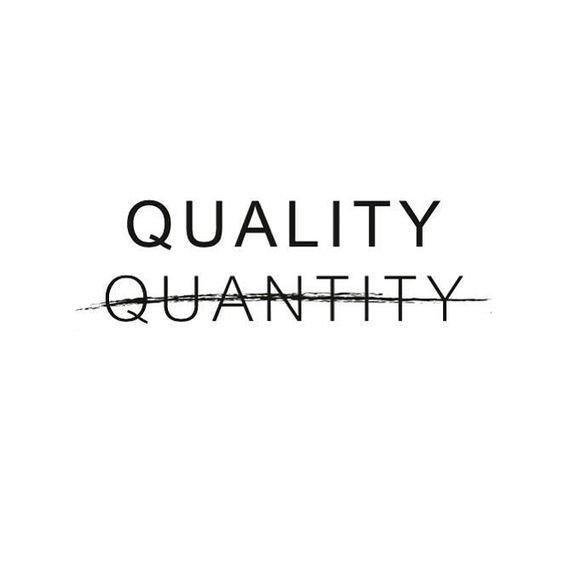
When it comes time to add new items, think long-term. Consider quality over quantity and invest in pieces you can see yourself wearing for years.
A classic blazer, a sturdy pair of boots, or a well-fitted button-down shirt can be styled in countless ways and never go out of fashion. Look for neutral colors and timeless cuts that pair easily with other items in your wardrobe.
Shopping secondhand is another great way to embrace slow fashion. Thrift stores, vintage shops, and online platforms offer unique, affordable pieces while giving clothing a second life.
Not only does this reduce waste, but it also adds personality to your wardrobe—there’s nothing quite like the thrill of finding a hidden gem.
Caring for your clothes is just as important as choosing them. Washing items less frequently, following care labels, and storing pieces properly can dramatically extend their lifespan.
A small repair, like sewing a button or patching a hole, can breathe new life into a favorite item. And when a piece truly reaches the end of its life, consider upcycling it or donating it to ensure it doesn’t end up in a landfill.
Materials That Make a Difference
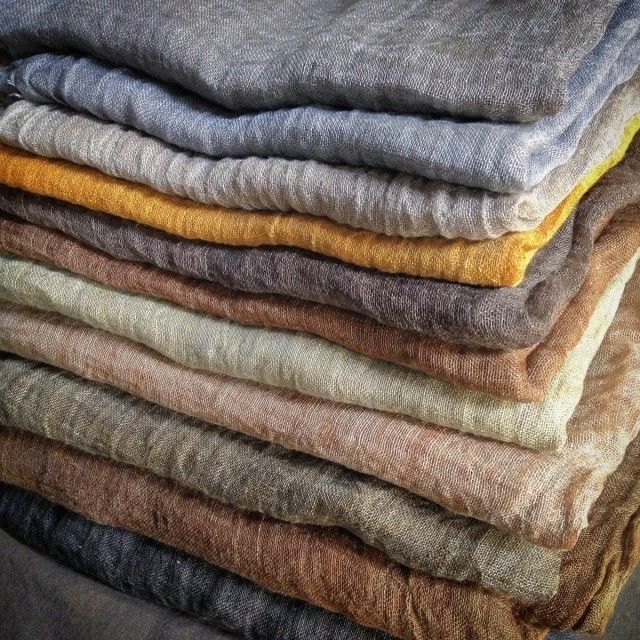
One of the easiest ways to identify sustainable clothing is by looking at the materials used. Fabrics like organic cotton, linen, and wool are more sustainable choices because they are biodegradable and require less water and fewer chemicals during production.
On the other hand, synthetic fabrics like polyester and nylon are derived from fossil fuels and release harmful microplastics into the environment every time they’re washed.
Some brands are now innovating with recycled materials, turning old textiles, plastic bottles, and even fishing nets into new clothing. These fabrics not only reduce waste but also offer the same durability and comfort as traditional materials.
The next time you’re shopping, check the tag. Knowing what your clothes are made of can make all the difference.
Slow Fashion: The Bigger Picture
Slow fashion is more than just a way to upgrade your wardrobe—it’s a way to rethink how we consume. It’s about rejecting the disposable mindset that fast fashion has normalized and instead embracing a lifestyle rooted in mindfulness, care, and quality.
Every time you choose a sustainably made shirt or repair a pair of pants instead of tossing them, you’re making a statement. You’re supporting brands that prioritize ethics, reducing your impact on the planet, and building a wardrobe that truly reflects who you are.
The shift to slow fashion doesn’t have to be overwhelming. Start small, stay consistent, and enjoy the process. After all, fashion isn’t just about what you wear—it’s about how it makes you feel and the values you stand for.
So, why not take that first step? Your wardrobe—and the world—will thank you.
Does this capture the thoughtful, flowing style you were looking for?