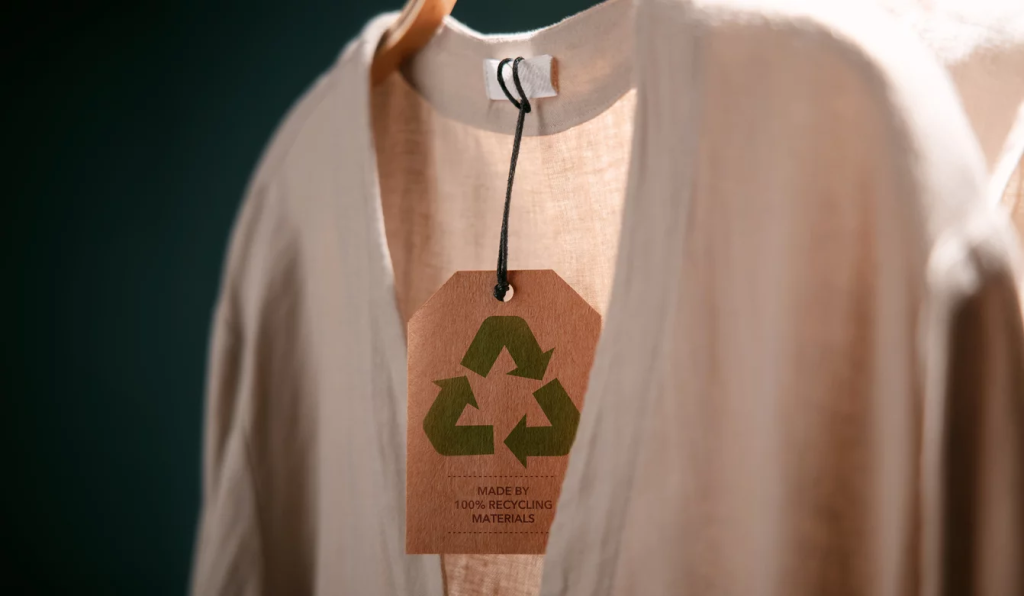
Sustainable fashion holds great promise, offering significant benefits for the planet and profitability for businesses. However, the journey toward eco-friendly practices is far from easy. High costs, supply chain challenges, and resistance to change can all hinder progress.
With careful planning and strategic action, these obstacles can become opportunities to grow and innovate.
1. Sustainable Fashion: Tackling High Costs Without Compromising Values
For many fashion brands, the cost of sustainability feels like the biggest hurdle. Eco-friendly materials and renewable energy options often cost more upfront than traditional choices.
Similarly, shifting to sustainable production methods requires investment in equipment, training, or certifications.
Why Cost Are High
Sustainable fabrics and ethical practices demand more resources and time. Unlike fast fashion, which emphasizes speed and volume, eco-conscious production focuses on quality and responsibility.
How to Manage Costs
Despite the higher initial costs, long-term benefits often outweigh the expenses. Durable materials reduce the need for replacements. Renewable energy and waste reduction initiatives can lower operating costs over time.
Start small by focusing on a single collection or specific aspect of your operations.
Engage Customers
Clearly explain to your audience why sustainable products cost more. Highlight their quality, durability, and the positive impact they have on workers and the environment.
Transparent communication can help justify pricing while building customer trust.
2. Sustainable Fashion: Simplifying Complex Supply Chains
The fashion supply chain involves multiple layers, making it difficult to ensure sustainability at every stage. From sourcing raw materials to manufacturing and distribution, each link in the chain presents unique challenges.
Common Issues
Many suppliers lack transparency, making it hard to verify ethical practices. Long-distance transportation increases carbon emissions, while inefficient processes lead to waste.
How to Simplify
Start by auditing your supply chain to identify weak points. Collaborate with reliable suppliers who share your sustainability values. Use technology like blockchain to trace materials and ensure compliance.
Simplifying your chain by sourcing locally can also minimize environmental impact and support regional economies.
Pro Tip
Make your supply chain a part of your brand story. Share how your efforts reduce waste and ensure fair practices, creating an emotional connection with your audience.
Explore simple tips to make your fashion brand sustainable here.
3. Sustainable Fashion: Addressing Resistance to Change
Change often meets resistance, whether it’s from within your team, suppliers, or customers. Employees may fear disruption to their workflows.
Suppliers might worry about the financial risks of transitioning to sustainable practices. Even customers, used to affordable fast fashion, may hesitate to pay more for sustainable products.
Why Resistance Happens
Change challenges the comfort of routine. Many people are skeptical of new processes or worry about short-term inconveniences.
Educate Internally
Train your team on the benefits of sustainability. Explain how these changes align with your brand’s goals and improve job satisfaction.
Collaborate with Suppliers
Offer incentives for suppliers to adopt sustainable methods. Long-term contracts or shared investments can ease their transition.
Engage Consumers
Use storytelling to connect your customers with the positive impacts of their choices. Explain how their purchases support fair wages or reduce environmental harm.
By framing sustainability as a shared mission, you can turn skepticism into enthusiasm.
4. Sustaianble Fashion: Starting Small to Build Confidence and Momentum
Big changes can feel daunting, especially in industries like fashion. Rather than attempting an overnight transformation, focus on small, impactful steps to build momentum.
Why It Works
Small initiatives are easier to manage and pose less risk. For example, launching a sustainable collection allows you to test customer response before scaling up.
Examples of Small Steps:
- Introduce biodegradable packaging.
- Offer a repair service to extend the life of your products.
- Collaborate with local artisans to create a limited-edition collection.
Scaling Gradually
As these initiatives succeed, use the momentum to implement larger changes. Build on your wins to inspire confidence among employees, stakeholders, and customers.
5. Sustainable Fashion: Communicating Progress Transparently
Transparency is essential in building trust with your audience. While many brands fear sharing their sustainability journey, being honest about challenges and progress can strengthen customer loyalty.
The Importance of Transparency
Consumers value authenticity. Sharing both your achievements and areas where you’re still improving shows integrity.
How to Share
- Publish an annual sustainability report. Include measurable data, such as reductions in carbon emissions or waste.
- Use social media to provide behind-the-scenes glimpses of your efforts. Show how your team is working toward sustainability.
- Highlight specific milestones and goals, making it clear that sustainability is an ongoing journey.
When you communicate openly, you position your brand as credible and committed to change.
6. Sustainable Fashion: Balancing Profitability and Sustainability
Some businesses worry that sustainability may hurt their bottom line. However, profitability and eco-consciousness can go hand in hand. In fact, adopting sustainable practices often creates opportunities for growth and efficiency.
Dive into the compelling reasons why sustainability is vital for the fashion world, how it impacts the planet, and why it’s essential for your brand’s success here.
Key Benefits
- Customer Loyalty: Eco-conscious consumers prefer brands that align with their values. This loyalty often translates into repeat purchases.
- Cost Reductions: Practices like waste reduction, energy efficiency, and durable materials lower costs over time.
- New Revenue Streams: Sustainable products can attract customers willing to pay more for quality and ethical standards.
By finding a balance between profitability and sustainability, you create a resilient business model that thrives in the long term.

7. Sustainable Fashion: Embracing Innovation to Overcome Challenges
Innovation can transform challenges into opportunities. From advanced materials to cutting-edge technology, adopting new approaches helps overcome barriers to sustainability.
Examples of Innovation
- Material Advances: Explore plant-based or biodegradable fabrics to reduce environmental impact.
- Digital Tools: Use AI to optimize inventory and minimize overproduction.
- Blockchain Technology: Enhance supply chain transparency by allowing customers to trace the origin of their garments.
Why Innovation Matters
Staying ahead of trends not only sets your brand apart but also ensures you remain adaptable in a rapidly changing industry.
By leveraging innovation, you can address complex challenges while positioning your brand as forward-thinking.
Sustainable Fashion: Turning Challenges into Opportunities
The road to sustainable fashion is not without its hurdles. High costs, supply chain complexities, and resistance to change can seem overwhelming. However, these challenges are also opportunities to grow, innovate, and lead.
By starting small, simplifying your supply chain, fostering transparency, and embracing innovation, you can create a sustainable business model that resonates with modern consumers. Sustainability is no longer optional—it’s a vital part of building a lasting and successful brand.
Every step forward, no matter how small, brings your brand closer to a future where fashion is both profitable and responsible. Together, we can redefine what it means to thrive in the fashion industry.